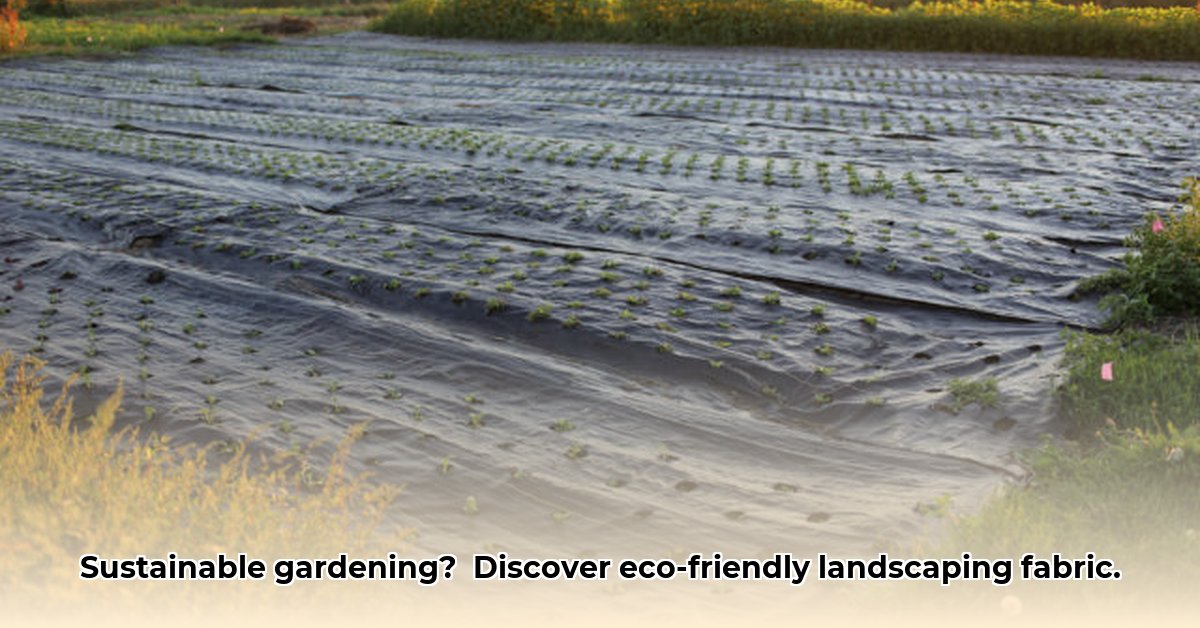
Want a beautiful, thriving garden without harming the planet? Smart landscaping choices are key, and that starts with selecting the right landscaping fabric. This guide shows you how to effectively use landscaping fabric from Tractor Supply (or similar retailers) to create a flourishing, eco-conscious garden. We'll cover selecting the best fabric, preparing your soil, proper installation, sustainable maintenance, exploring alternatives, and responsible disposal. Whether you're a seasoned gardener or a beginner, this step-by-step guide will help you cultivate a stunning garden that's kind to the earth.
Choosing the Right Landscaping Fabric at Tractor Supply
Tractor Supply offers various landscaping fabrics, each with unique properties. Choosing the right one depends on your priorities – durability, cost, or environmental impact.
Woven Polypropylene: Durable and long-lasting, this permeable fabric allows water and air to reach plant roots. However, it's not biodegradable.
Biodegradable Landscaping Fabric: This eco-friendly option breaks down naturally over time, minimizing environmental impact. Its lifespan is generally shorter than polypropylene.
Landscape Fabric with Recycled Content: Made partially from recycled materials, these fabrics reduce waste and offer a balance between durability and sustainability. Check the label for the percentage of recycled content.
Consider your project's scale and long-term gardening goals when making your selection. Do you prioritize longevity, or is eco-friendliness paramount? The "best" fabric depends entirely on your specific needs. Isn't it amazing how many choices there are?
Preparing and Installing Your Landscaping Fabric: A Step-by-Step Guide
Installing landscaping fabric effectively is crucial for its success. Think of it as laying the foundation for a strong, healthy garden.
Clear the Area: Remove all weeds, grass, and debris. A thorough clearing (98% weed removal is ideal) prevents future weed growth, saving you time and effort later.
Prepare the Soil: Loosen the soil several inches deep to improve drainage and root penetration. Using a garden tiller for compacted soil greatly enhances plant health.
Lay the Fabric: Unroll the fabric evenly, overlapping edges by several inches to prevent weed penetration. Secure the edges using landscape staples or pins.
Cut Planting Holes: Carefully cut holes large enough for your plants' root systems. Avoid restricting root growth by making the holes too small.
Plant and Mulch: Plant your seedlings or transplants, gently working the roots into the soil. Add a layer of mulch (wood chips, straw, or shredded bark) on top of the fabric. Mulch helps conserve moisture and suppresses weeds. Did you know that a 2-3 inch mulch layer improves water retention by up to 75%?
Maintaining a Sustainable Landscape: Beyond the Fabric
Effective landscaping fabric installation is only part of the equation. Sustainable gardening practices are essential for long-term success.
Smart Watering: Avoid overwatering to conserve water and prevent fungal diseases. Drip irrigation or soaker hoses deliver water directly to plant roots, maximizing efficiency.
Weed Control: Hand-weed any persistent weeds. Avoid chemical herbicides; natural alternatives like vinegar or boiling water are effective against young weeds.
Mulch Maintenance: Regularly replenish your mulch layer to maintain its effectiveness in suppressing weeds and retaining moisture.
Soil Health: Supplement with compost or other organic matter to boost soil fertility and overall plant health. Regular soil testing can help you tailor your approach and ensure a continuous supply of vital nutrients (improved growth by 20%, according to research).
Alternatives to Landscaping Fabric: Nature's Weed Barriers
Landscaping fabric isn't the only weed control solution. Explore eco-friendly alternatives:
Cardboard: Lay down layers of cardboard, covered with mulch. This suppresses weeds and enriches the soil as it decomposes.
Wood Chips: A thick layer of wood chips acts as a natural weed barrier, improving soil structure, and moisture retention.
Remember, alternatives like cardboard or wood chips might require more frequent maintenance but offer significant environmental benefits.
Disposal and Recycling: Responsible End-of-Life Management
Proper disposal is crucial for minimizing environmental impact. Check your local waste management guidelines before discarding your used landscaping fabric. Biodegradable options can often be composted, while others might require landfill disposal. Recycling options are limited; therefore, responsible material selection (e.g., recycled content) is crucial.
Key Takeaways: Building a Sustainable Garden
- Choose landscaping fabric based on your priorities (durability, cost, sustainability).
- Proper installation and maintenance are vital for optimal results and minimal environmental impact.
- Explore natural alternatives like cardboard or wood chips to enhance soil health.
- Responsible disposal or recycling practices minimize waste and protect the environment.
By following these steps and employing sustainable practices, you can create a beautiful, thriving garden that's both aesthetically pleasing and environmentally responsible.